
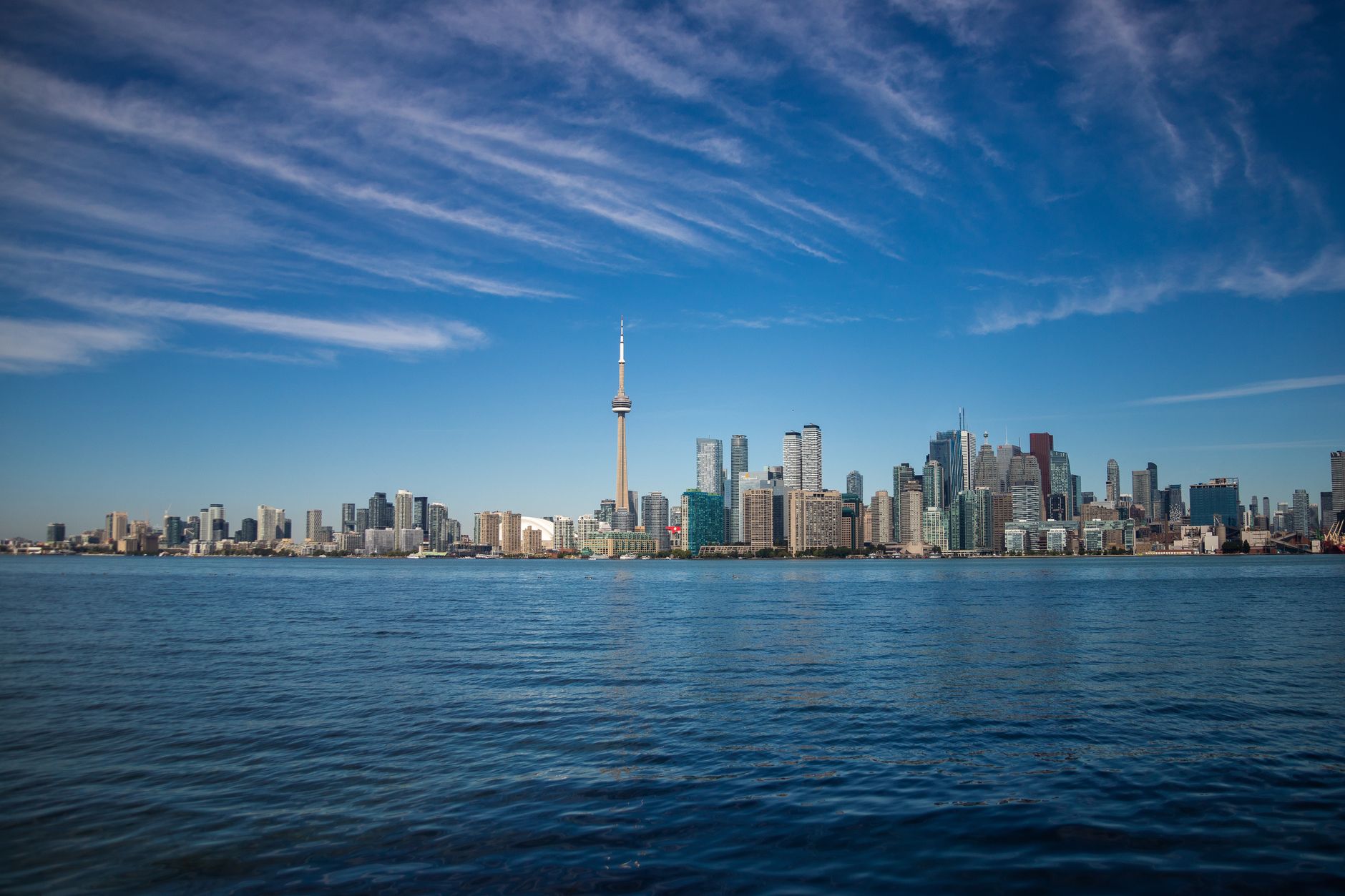
Ontario starts with Toronto, and Toronto is not one city. Queen West is not the Annex. Leslieville is not the lakeshore. Kensington is not a skyline. You pick a slice and the rest becomes background. If you have lived there you did not need a magazine to tell you. The magazine needed the city to say it anyway.
The first Toronto stories say the same thing in two voices. One streetcar line can carry you through four different days. Queen West keeps a late clock: storefronts that change every few blocks, a sidewalk that stays crowded after dark, a crowd that shifts from galleries to bars without asking permission. A few kilometers east, Leslieville drops the pace. Houses sit closer to the sidewalk. Mornings start with dogs on the trail along the old rail line. Cross north into the Annex and the rhythm changes again — porches, used bookstores, the low hum from the university nearby.
The lakeshore cuts across all of them. The wind off the water is not the same at the foot of Leslie as it is farther west near the old ports. Midtown keeps a quieter calendar, larger homes, parks that feel removed from the core. Kensington folds in on itself with narrow lanes and overlapping voices and forces you to slow down whether you planned to or not. None of these versions cancel the others. They refuse to occupy the same block at once.
The failure is treating the whole grid as one address. Start the day on the waterfront path, ride the streetcar into Queen West, head north to the Annex for dinner, and still expect to feel settled. The neighborhoods do not blend. They sit beside each other like separate rooms. You learn the boundaries the first winter you have to cross them in the cold — the lake wind turns a walk from Leslieville into the core into a different proposition than the same distance inside Midtown.
The slice you choose decides the small frictions that actually matter. In Leslieville the corner stores still open early and the neighbors notice when you are away. On Queen West the same distance feels shorter because the sidewalks stay crowded after dark. The Annex gives you late buses and basement shows but less sky. Midtown trades that density for actual backyards. The waterfront offers the long view and the open air, and it leaves you exposed when the weather turns.
Read the city story that already drew the line: Toronto is not one city. You live in a slice. Ontario is larger than that one city, and the rest of the province is not a single sentence either. Ottawa is a capital on a river with its own calendar. The smaller towns do not owe you Toronto’s density. Do not collect the province from a skyline and call it home.
Start with the slice you can actually name. Queen West or Leslieville. The Annex or the lakeshore. Let the rest of Ontario stay itself until you have a reason to stand on a different street.